• The National Fraud Enforcement Division is dedicated to investigating and prosecuting fraud against “taxpayer dollars and taxpayer-funded programs.”
  • The National Fraud Enforcement Division will target real and significant categories of alleged fraud, including healthcare fraud, tax fraud, benefits fraud, and schemes to misappropriate taxpayer dollars.
  • The establishment of the National Fraud Enforcement Division further reinforces

The program provides new financial incentives for whistleblowers to report information about potential violations of money laundering and sanctions laws.

By Joseph M. Bargnesi, Les P. Carnegie, Andrew P. Galdes, Eric S. Volkman, Douglas K. Yatter, Jewel Drigo, Allayne Thomas, and Nicole Kerrigan

On March 30, 2026, the US Department of the Treasury’s Financial Crimes Enforcement Network (FinCEN) issued a notice of proposed rulemaking (NPRM) to establish a whistleblower program designed to encourage

The corporate enforcement of any potential corporate criminal misconduct is now governed by a DOJ-wide policy.

On March 10, 2026, the US Department of Justice (DOJ) announced a new department-wide “Corporate Enforcement and Voluntary Self-Disclosure Policy” (the CEP). The CEP addresses the benefits available to companies that voluntarily disclose, cooperate, and remediate potential criminal misconduct. 

The CEP has important practical implications for any company that discovers potential misconduct and must decide what to do next. The CEP seeks to establish

On June 9, 2025, Deputy Attorney General Todd Blanche issued a memorandum (the Guidelines) on “Guidelines for Investigations and Enforcement of the Foreign Corrupt Practices Act (FCPA)” by the US Department of Justice (DOJ).

The Guidelines follow President Trump’s February 10, 2025, executive order (the Executive Order), which directed DOJ to “(i) cease initiation of any new FCPA investigations or enforcement actions, unless the Attorney General determines that an individual exception should be made; (ii) review in detail all existing FCPA investigations or enforcement

The Department of Justice has established a new Civil Rights Fraud Initiative, which will leverage the False Claims Act to investigate and pursue claims against recipients of federal funds who “knowingly violate civil rights laws.”

By Danielle Conley, Terra Reynolds, Anne W. Robinson, Jude Volek, and Savannah Burgoyne

In a memorandum dated May 19, 2025, Deputy Attorney General Todd Blanche announced the establishment of a new Civil Rights Fraud Initiative (the Initiative) at the Department of

The move furthers the administration’s agenda to challenge the status of independent agencies.

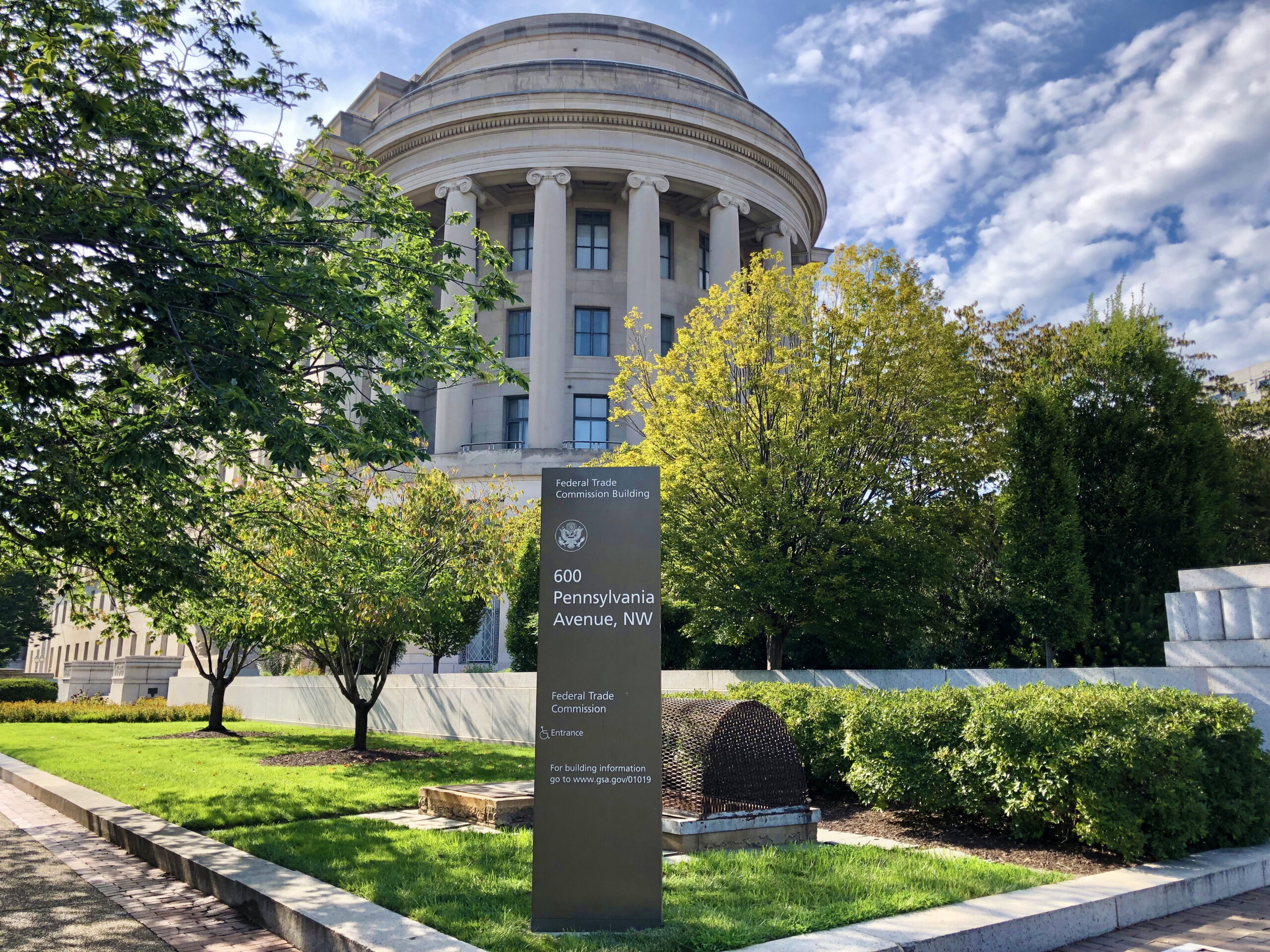
On March 18, 2025, President Trump removed two Democratic members of the Federal Trade Commission (FTC or the Commission). A Republican nominee for commissioner remains pending before the Senate. The removals, which leave the five-member Commission with two active commissioners, are consistent with the Trump administration’s stated intention to challenge the status of independent federal agencies.

The removals are unlikely to affect many operations of the FTC

The executive order halts new and existing foreign bribery investigations — but enforcement risk in the UK and Europe remains.

By Pamela Reddy, Nathan Seltzer, Clare Nida, Annie Birch, and Matthew Unsworth

On February 10, 2025, President Trump issued an executive order titled “Pausing Foreign Corrupt Practices Act Enforcement to Further American Economic and National Security” (the Order). Among other things, the Order pauses new prosecutions under the Foreign Corrupt Practices Act (FCPA) at the Department

The order pauses new FCPA criminal cases, directs review of existing cases, and leaves open several questions, including implications for specific business sectors and civil enforcement.

On February 10, 2025, President Trump issued an executive order titled “Pausing Foreign Corrupt Practices Act Enforcement to Further American Economic and National Security” (the Order). Among other things, the Order pauses new prosecutions under the Foreign Corrupt Practices Act (FCPA) at the Department of Justice (DOJ) for 180 days and orders a review

Corporations, associations, foundations, and institutions of higher education should be prepared for criminal, civil, and congressional inquiries.

By Danielle Conley, Dean Baxtresser, Danielle McCall, Nicholas McQuaid, Kyle Jefcoat, Jonathan Su, Jude Volek, and Anne Robinson

On February 5, 2025, newly confirmed US Attorney General Pam Bondi issued a memorandum to implement the executive order “Ending Illegal Discrimination and Restoring Merit-Based Opportunity” (the Order). The move comes two weeks after President Trump signed the

Last updated: February 7, 2025

The Trump administration has progressed further key policy priorities, while legal challenges have emerged in the areas of immigration, DEI, the federal workforce, and federal spending.

This past week, the Trump administration has continued to advance key policy priorities while facing a slew of legal actions.

Latham lawyers are carefully monitoring the rollout of President Trump’s policy priorities through executive orders, agency actions, and installment of new personnel. Below is a high-level overview of these